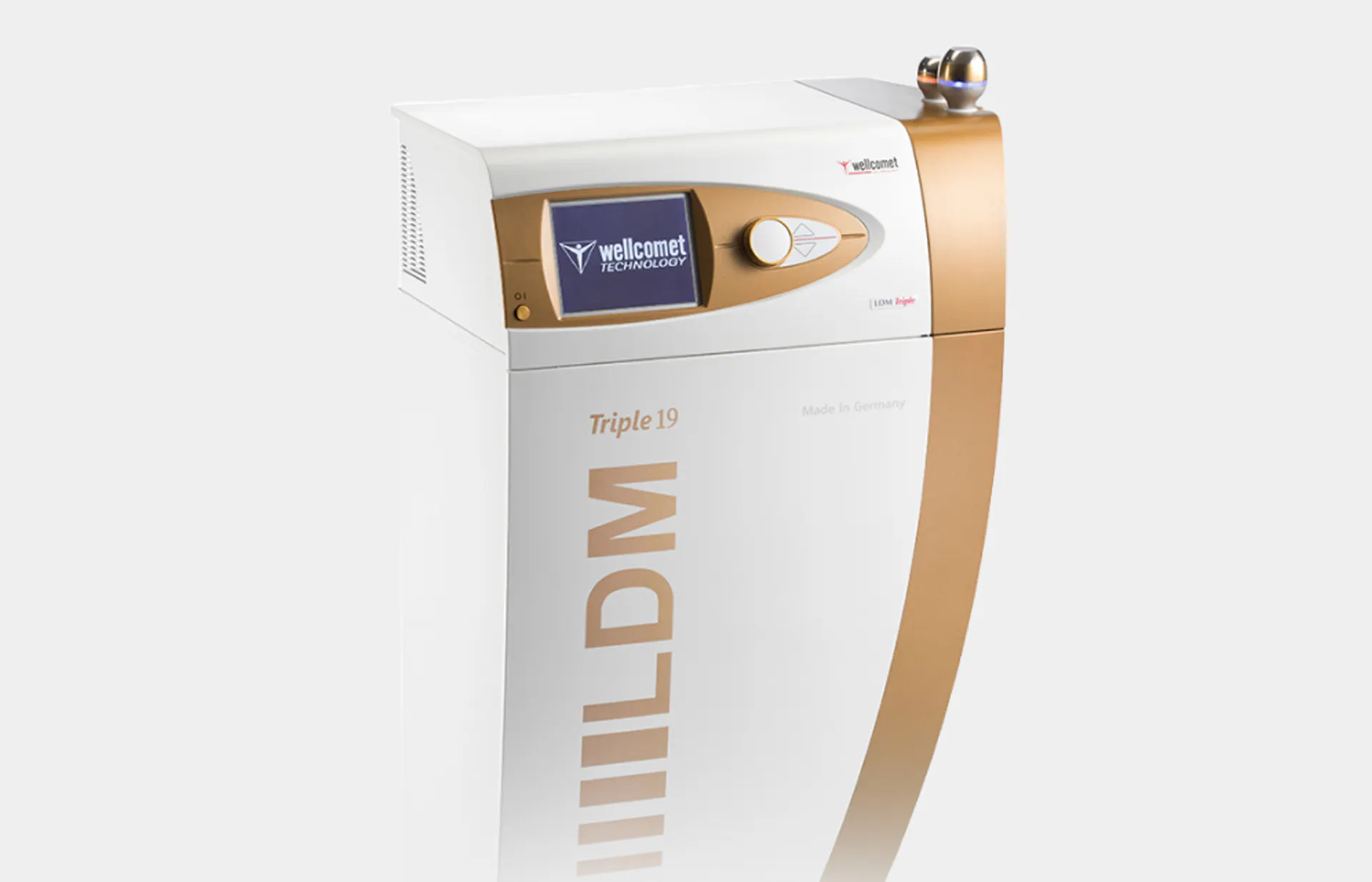
Currently the number 1 most requested device brand among patients in South Korea, highlighting the strong consumer awareness and trust surrounding the technology.
One of the most notable shifts within aesthetic medicine is the move towards regenerative, skin-first approaches. Clinic owners are increasingly looking beyond surface-level correction and towards technologies that support overall skin health, deliver longer-term outcomes and integrate into repeatable treatment pathways.
Against this backdrop, LDM® Triple is a technology that is gaining attention. Developed in Germany, LDM® Triple uses multi-frequency ultrasound, delivering three frequencies in rapid succession. This approach is designed to influence cellular activity within the skin, including fibroblast stimulation, inflammation regulation and optimisation of the extracellular matrix, with the aim of supporting both skin quality and function.
Traditional ultrasound systems typically operate at a single frequency, whereas LDM® Triple alternates between multiple frequencies in rapid succession. This is intended to create varying biological responses within the tissue, supporting hydration, repair and overall skin condition. In practice, it results in a treatment that is:
One of the key advantages of LDM® Triple is its versatility across multiple indications, allowing clinics to integrate it into a variety of treatment pathways rather than positioning it as a single-purpose device. It is commonly used for:
It can also be used alongside other treatments, including energy-based devices and injectables, where it may support recovery and complement results. This flexibility enables clinics to:
Interest in regenerative technologies continues to grow, supported by both clinical use and patient demand. In South Korea, one of the most advanced aesthetic markets globally, LDM is currently the number one most requested device brand among patients. This reflects a broader shift towards treatments that prioritise skin health and long-term outcomes. From a clinical perspective, studies across multiple practices have shown LDM technology being used across a range of indications, highlighting:
From a commercial perspective, the appeal of LDM® Triple lies in its ability to integrate into existing clinic offerings rather than replace them. Its non-invasive nature and lack of downtime lower the barrier to entry for patients, supporting treatment uptake. It also enables:
Patient expectations are evolving, with increasing demand for treatments that not only improve appearance but also support long-term skin health. Patients are seeking options that are effective, comfortable and fit within their lifestyle, with minimal disruption. Technologies such as LDM® Triple sit within this shift, reflecting a move towards more considered, regenerative treatment strategies where:
For clinics, this represents an opportunity to expand treatment offerings in line with both clinical trends and patient demand, while maintaining flexibility in how services are delivered.