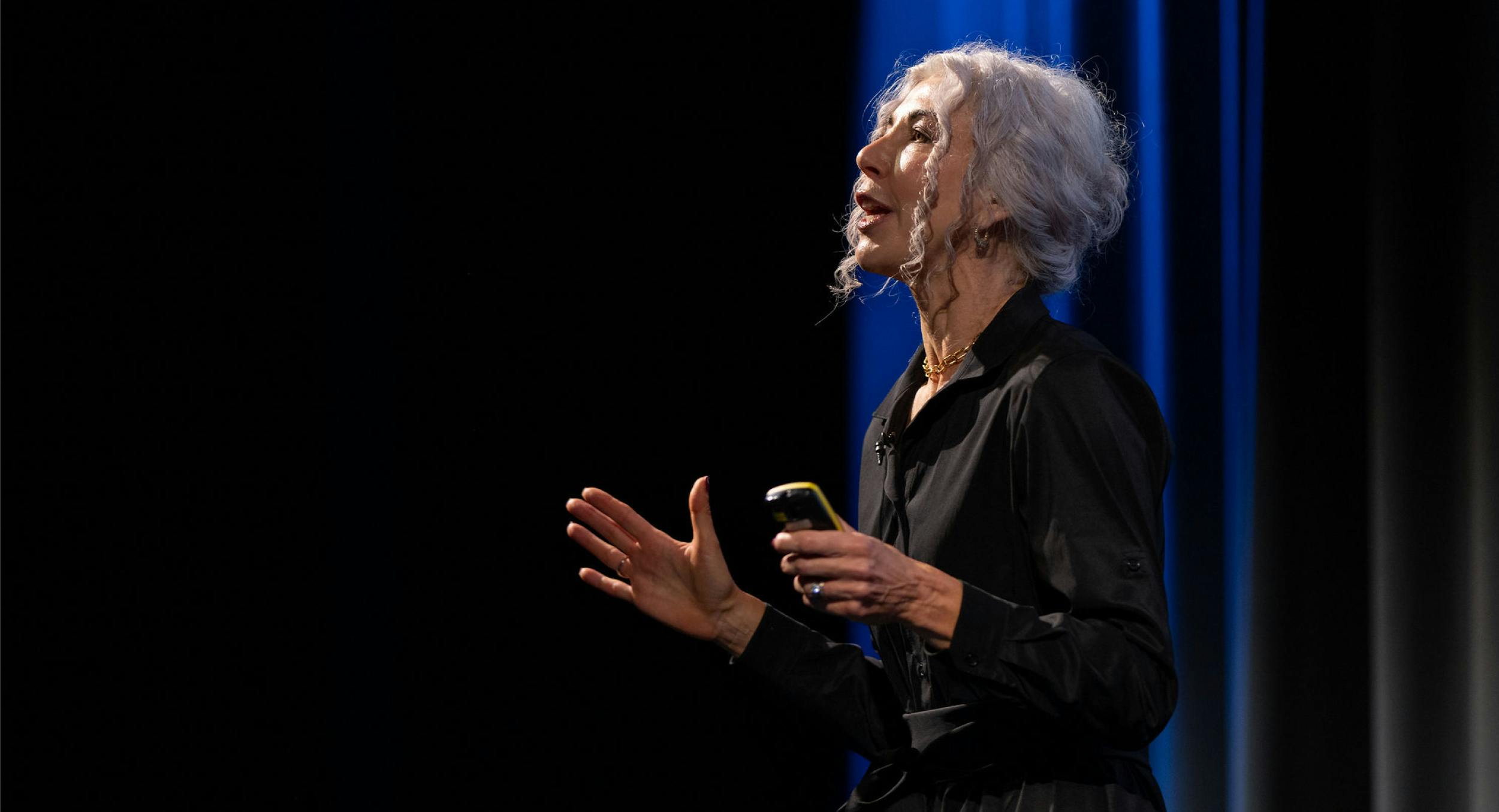
At our Leadership Summit in January, Dr Rachel Roberts reminded the room of something that, on the surface, feels obvious yet in practice is rarely executed well.
Leadership is not about authority, hierarchy or personality; it is about winning hearts and minds.
For many clinic owners, this lands uncomfortably close to home. Most did not train to become leaders. They trained to become exceptional clinicians. The business grew, the patient base expanded, the team followed, and almost overnight they found themselves responsible not only for treatments and outcomes, but for culture, motivation, retention and performance.
Empathy in this context is not a soft skill but a commercial one.
When teams feel misunderstood, performance dips. When personalities clash, productivity erodes. When communication misses the mark, resentment builds quietly beneath the surface.
Leading with empathy is about understanding how different people are wired, particularly under pressure. One of the most practical frameworks Rachel explored in the room was DISC personality profiling.
In small businesses, personality dynamics are amplified. There is nowhere to hide. Every interaction is closer, more personal and more visible.
DISC maps behavioural tendencies and provides a simple understanding of how individuals tend to respond to problems, pace, rules and relationships.
For many clinic owners, team frustrations are often due to misalignment. The clinician who seems resistant to change may simply crave stability, and the team member who pushes back quickly may be driven by results rather than process. The employee who requires detailed explanation may not be difficult; they may simply be wired for precision.
When leaders understand personality, conflict becomes data rather than drama.
– Dominance (D) – Driven by Results
High-D personalities are decisive, outcome-focused and comfortable with risk. They value efficiency and autonomy and can become impatient with indecision.
Under pressure, they may appear blunt or demanding. However, they are usually motivated by progress rather than ego.
Leading them effectively requires clarity, brevity and measurable goals. They respond well to responsibility and ownership. Micromanagement will frustrate them, while autonomy will energise them.
– Influence (I) – Driven by Connection
High-I personalities are expressive, optimistic and relationship-focused. They thrive in patient-facing roles and often contribute significantly to morale and culture.
Under pressure, they may avoid detail or overpromise in their enthusiasm.
They are motivated by recognition and relational warmth. Leadership that feels cold, overly data-driven or transactional will disengage them. Conversely, visible appreciation and inclusion will unlock loyalty and discretionary effort.
– Stability (S) – Driven by Security
High-S personalities are dependable, calm and loyal. They value consistency and tend to avoid conflict where possible.
They are frequently the emotional backbone of a clinic team.
Under pressure, rapid change or abrupt communication can create anxiety. They benefit from reassurance, clear reasoning and time to adjust.
When led with patience and psychological safety, they become incredibly steady contributors to team resilience.
– Compliance (C) – Driven by Accuracy
High-C personalities are analytical, methodical and standards-driven. In a regulated medical environment, this profile is particularly valuable.
They care deeply about doing things properly and can become cautious when clarity is lacking.
They respond best to structured communication, evidence and well-defined expectations. Dismissing their need for detail may undermine trust and erode confidence.
One of the most significant insights from Rachel’s session was that leaders tend to default to their own behavioural style.
The difficulty arises when we assume that our way of thinking is universal.
In reality, teams are diverse in their wiring. Leading with empathy means recognising those differences and adapting your communication accordingly.
Rachel framed high-performing cultures around four pillars: clarity, appreciation, resilience and empowerment.
Each of these requires emotional intelligence.
Clarity means understanding how different personalities interpret instruction.
Appreciation means recognising that different people feel valued in different ways.
Resilience means knowing who needs challenge and who needs reassurance.
Empowerment means delegating according to strengths rather than convenience.
For clinic owners who often feel stretched thin, empathy can initially feel like additional effort. In reality, it reduces friction, increases retention and builds trust.
When teams feel understood, they commit. When they commit, performance follows.
Leadership is an ongoing practice of awareness and adjustment that you can continue to develop.
Understanding DISC does not place people in rigid boxes. It provides a lens through which behaviour can be interpreted more constructively.
In the intimate environment of a clinic, where personalities interact daily and pressures are real, this awareness becomes a strategic advantage.
High-performing clinics are not built solely on clinical excellence but on leaders who understand people as well as they understand procedures.
Empathy is not softness. It is strength applied intelligently. When clinic owners learn to map personality with the same care they map patient journeys, leadership becomes less reactive, less exhausting and far more sustainable.